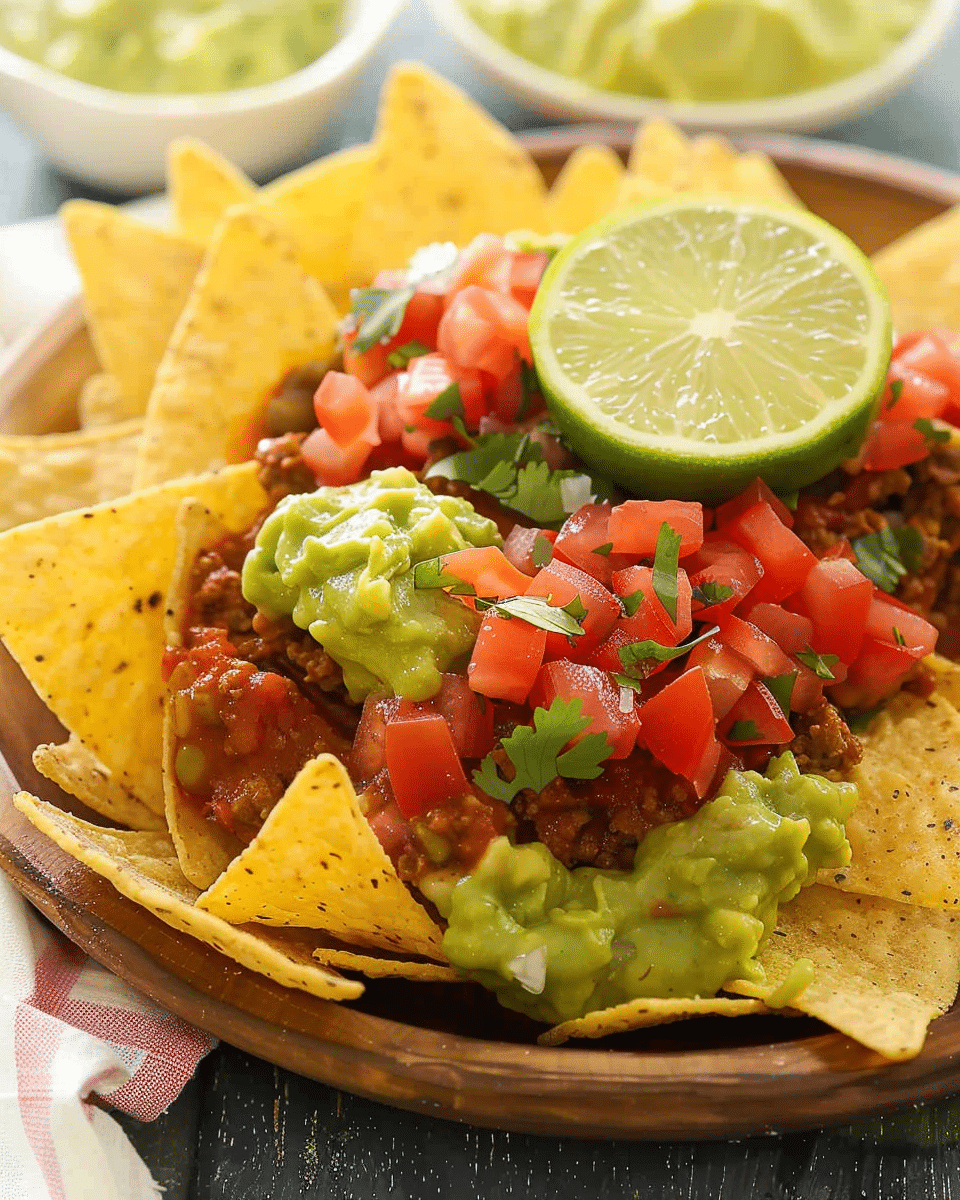
Nachos: The Tex-Mex Classic Celebrating a Global Phenomenon
Few dishes command the kind of universal appeal and joyful indulgence quite like nachos. What began as a simple, impromptu snack in a small Mexican border town has blossomed into a global culinary icon, synonymous with parties, sporting events, and delicious casual dining. More than just tortilla chips and melted cheese, nachos represent a canvas for creativity, a celebration of flavor, and a testament to the power of accidental genius. This Tex-Mex classic has not only ingrained itself into countless cultures but has also evolved into an endlessly customizable delight, proving its enduring popularity one crispy, cheesy bite at a time.
The Storied Origin: A Culinary Accident of Genius
Every legendary dish has an origin story, and nachos are no exception. The year was 1943, and the setting was the Victory Club restaurant in Piedras Negras, Coahuila, Mexico, a vibrant border town nestled across from Eagle Pass, Texas. The protagonist of our story is Ignacio "Nacho" Anaya, the restaurant's quick-thinking maître d'hôtel. One evening, after the kitchen staff had departed, a group of U.S. Army wives from nearby Fort Duncan arrived, hungry and eager for a snack. Faced with an empty kitchen and demanding patrons, Anaya improvised with the few ingredients he had on hand.
His stroke of genius involved slicing readily available tortillas into quarters, frying them into crisp chips, and topping them with shredded Wisconsin cheddar cheese and slices of pickled jalapeño peppers. He then heated this simple assembly until the cheese melted into a gooey, irresistible layer. He presented his creation to the appreciative women, who instantly fell in love with the dish. When asked what it was called, Anaya, with characteristic humility, simply replied, "Nacho's Especiales," using his own affectionate nickname. The original, unadorned recipe—crispy tortilla chips, rich cheddar, and piquant jalapeños—remains a point of immense pride in Piedras Negras. The town celebrates its culinary heritage annually with the International Nacho Festival, held since 1995, cementing Anaya's place in gastronomic history. To dive deeper into this fascinating journey, read more about From Improvised Snack to Global Staple: The History of Nachos.
From Border Town Delicacy to American Icon
The delicious secret of Nacho's Especiales couldn't be contained within Piedras Negras for long. Its proximity to the U.S. border meant that the dish quickly traversed into Texas, finding a new audience and burgeoning popularity. By the mid-1950s, nachos had already made their way into local cookbooks, with the 1954 St. Anne's Cookbook from Eagle Pass proudly crediting Anaya's original recipe. This early documentation marked the beginning of nachos' steady climb to culinary stardom.
Throughout the 1960s, the dish expanded its footprint across the Southwestern United States, appearing on menus in restaurants and bars. As it spread, it began to evolve, adapting to American tastes with the addition of more elaborate toppings. Refried beans, seasoned ground beef, and a wider array of cheeses started to transform the humble snack into a more substantial offering. However, the true catapult into mainstream American culture came in 1976, thanks to Frank Liberto, a visionary concessionaire. At Arlington Stadium in Texas, Liberto introduced a game-changing innovation: a portable version of nachos featuring a pumpable, processed cheese sauce, jalapeños, and individual servings of chips. This clever adaptation made nachos perfect for stadium service, leading to skyrocketing sales and cementing their status as an indispensable staple at baseball games, football events, and even movie theaters nationwide. Today, the world celebrates Ignacio Anaya's innovation every year on October 21st, recognized internationally as Nachos Day.
Crafting the Perfect Nachos: Tips for Culinary Success
The beauty of nachos lies in their incredible versatility. While the core elements remain consistent—crisp tortilla chips and melted cheese—the spectrum of toppings is virtually limitless. Achieving nacho perfection, however, involves more than just piling ingredients; it's about thoughtful construction and balance. As culinary enthusiasts like Ree Drummond attest, "I take nachos very seriously."
The Foundation: Quality Chips and Strategic Layering
- Choose Your Chips Wisely: The bedrock of any great nacho platter is the tortilla chip. Opt for sturdy, restaurant-style chips that can withstand the weight of toppings without crumbling. If you're feeling ambitious, homemade fried or baked tortilla chips offer unparalleled freshness and crunch.
- The No-Soggy Nachos Secret: This is perhaps the most crucial tip. Instead of dumping all ingredients onto a single layer of chips, build your nachos in multiple, smaller layers. Start with a base of chips, add a sprinkle of cheese, then some toppings, then more chips, more cheese, and so on. This ensures every chip gets its share of cheesy goodness and prevents the bottom layer from becoming a soggy disappointment.
The Cheese Factor: Melty Goodness is Key
The cheese is the soul of nachos, providing that iconic gooey texture and savory flavor.
- Classic Choices: Traditional cheddar remains a favorite, but a blend of cheeses often yields the best results. Consider Monterey Jack for its exceptional melt, Colby for mild flavor, or even a touch of Oaxaca cheese for an authentic Mexican touch.
- Shred vs. Pre-Shredded: Whenever possible, shred your own cheese from a block. Pre-shredded varieties often contain anti-caking agents that can hinder smooth melting, resulting in a slightly grainy texture.
- Cheese Sauce Option: For that classic stadium-style experience, a good quality processed cheese sauce can deliver consistent melt and creaminess, though it might lack the complexity of natural cheeses.
Heat Application: The Oven Advantage
While microwaves can melt cheese quickly, baking nachos in the oven is hands-down the best method for achieving uniformly melted cheese and slightly crisped toppings without sacrificing the chip's integrity. A moderate oven temperature (around 375-400°F or 190-200°C) allows the cheese to melt evenly and bubble beautifully without burning the chips. For a comprehensive guide on achieving crispy, cheesy perfection every time, make sure to check out Bake Perfect Oven Nachos: Crispy, Cheesy & Never Soggy.
Essential and Creative Toppings
Once your chips are perfectly cheesy, it's time for the fun part: toppings! The list is truly endless, but here are some popular and highly recommended additions:
- The Classics: Sliced pickled jalapeños (for that essential tangy heat), fresh pico de gallo or salsa, creamy guacamole, and cool sour cream.
- Meaty Delights: Seasoned ground beef, shredded chicken (tinga or grilled), slow-cooked pulled pork, or even tender steak strips.
- Vegetarian & Veggie Boosts: Refried beans, black beans, corn, sliced black olives, diced red onions, fresh cilantro, and roasted bell peppers.
- Flavor Enhancers: A drizzle of hot sauce, a squeeze of lime juice, or a sprinkle of crumbled cotija cheese.
Nachos Around the World: A Global Culinary Canvas
Nachos' journey from a simple, improvised dish to a global sensation is a testament to its inherent appeal. Its adaptable nature allows it to transcend cultural boundaries, absorbing local flavors and preferences wherever it lands. In some regions, you might find them topped with unique spice blends, different types of beans, or even fusion ingredients that reflect local culinary traditions. From upscale gastropubs offering gourmet nacho platters with artisanal cheeses and exotic meats, to humble street food stalls serving quick, satisfying portions, nachos have proven their ability to fit into any dining context.
This global phenomenon underscores the dish's fundamental strengths: it's communal, it's customizable, and it's inherently satisfying. Whether enjoyed during a lively game day, a casual family dinner, or a festive gathering with friends, nachos consistently deliver on flavor and fun, embodying the spirit of sharing and culinary exploration.
Conclusion
From Ignacio Anaya's quick thinking in 1943 to their ubiquitous presence in stadiums and restaurants worldwide, nachos have certainly come a long way. This Tex-Mex classic isn't just a snack; it's a cultural touchstone, a symbol of improvisation and culinary ingenuity that has captured hearts globally. Its crunchy chips, gooey cheese, and an endless array of toppings make it a versatile, comforting, and utterly delicious choice for any occasion. So, the next time you gather around a platter of loaded nachos, take a moment to appreciate the journey of this humble yet spectacular dish, a true testament to the power of simple ingredients coming together to create something truly extraordinary.
